Garden
How Awnings Improve Comfort in Outdoor Garden Spaces
Jul 8 2026
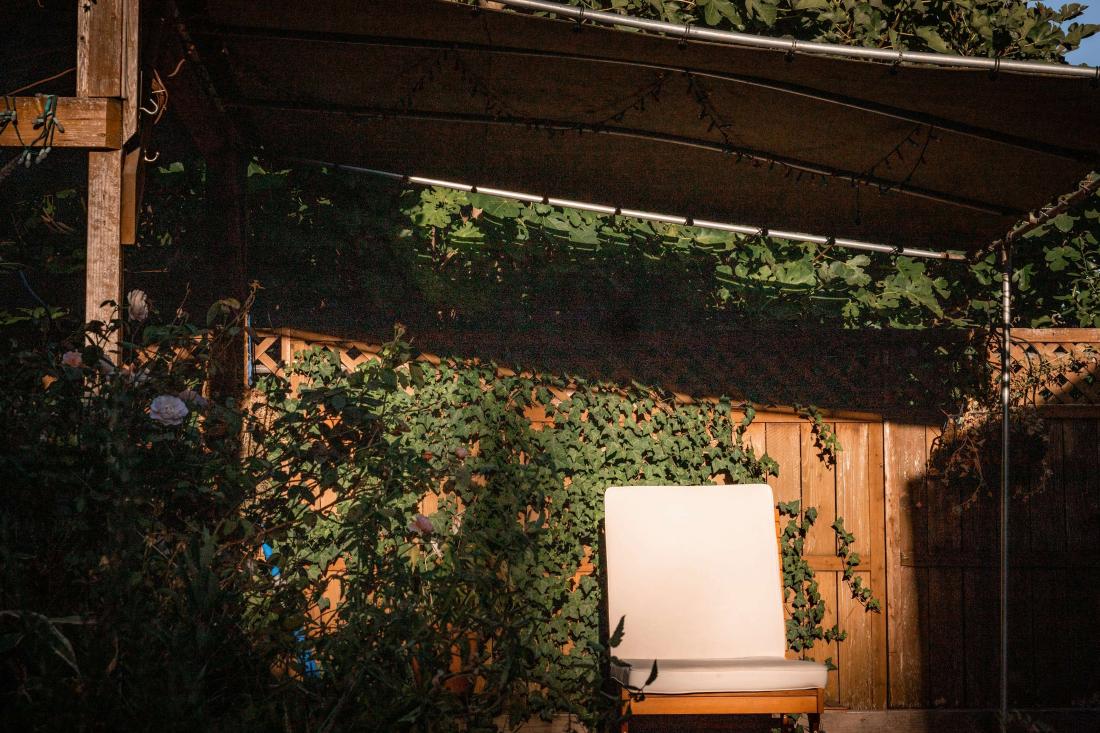
Discover how garden awnings improve outdoor comfort in Malaysia's climate — shade, rain cover, UV protection, and style for every home.
There is something uniquely rewarding about having a garden space in your home — a place where you can step outside, breathe fresh air, and feel a sense of calm away from the indoor routine. But in Malaysia, where the sun beats down intensely for most of the year and afternoon rain showers arrive without much warning, spending time outdoors can quickly become uncomfortable without the right setup. This is where garden awnings come in. As a practical and increasingly popular outdoor addition across Malaysian homes, garden awnings have transformed the way homeowners experience and use their exterior spaces. Whether you have a small terrace, a landscaped backyard, or a rooftop garden, an outdoor awning shade solution can make all the difference between a space you avoid and one you actually live in.
This article walks through everything you need to know about how awnings improve comfort in outdoor garden spaces — from the way they manage heat and rain to how they contribute to the overall look and long-term value of your home.
A garden awning is a fixed or retractable overhead cover typically attached to an exterior wall, roof edge, or freestanding frame. It extends outward over a garden, patio, terrace, or deck area to provide shade and shelter. Materials vary widely — from canvas and polyester fabrics to polycarbonate sheets and aluminium panels — and so does the design, ranging from traditional pull-out awnings to motorised retractable systems.
In Malaysia, the relevance of a garden awning is hard to overstate. The country sits just north of the equator, which means it experiences high temperatures and humidity year-round, along with two monsoon seasons that bring heavy and unpredictable rainfall. Without some form of overhead protection, outdoor garden spaces become unusable during the hottest parts of the day and essentially inaccessible during rain. A well-installed garden awning Malaysia homeowners rely on does not just add shade — it reclaims that outdoor space and turns it into a functional, liveable extension of the home.
This article walks through everything you need to know about how awnings improve comfort in outdoor garden spaces — from the way they manage heat and rain to how they contribute to the overall look and long-term value of your home.
What Is a Garden Awning and Why Does It Matter in Malaysia?
A garden awning is a fixed or retractable overhead cover typically attached to an exterior wall, roof edge, or freestanding frame. It extends outward over a garden, patio, terrace, or deck area to provide shade and shelter. Materials vary widely — from canvas and polyester fabrics to polycarbonate sheets and aluminium panels — and so does the design, ranging from traditional pull-out awnings to motorised retractable systems.
In Malaysia, the relevance of a garden awning is hard to overstate. The country sits just north of the equator, which means it experiences high temperatures and humidity year-round, along with two monsoon seasons that bring heavy and unpredictable rainfall. Without some form of overhead protection, outdoor garden spaces become unusable during the hottest parts of the day and essentially inaccessible during rain. A well-installed garden awning Malaysia homeowners rely on does not just add shade — it reclaims that outdoor space and turns it into a functional, liveable extension of the home.
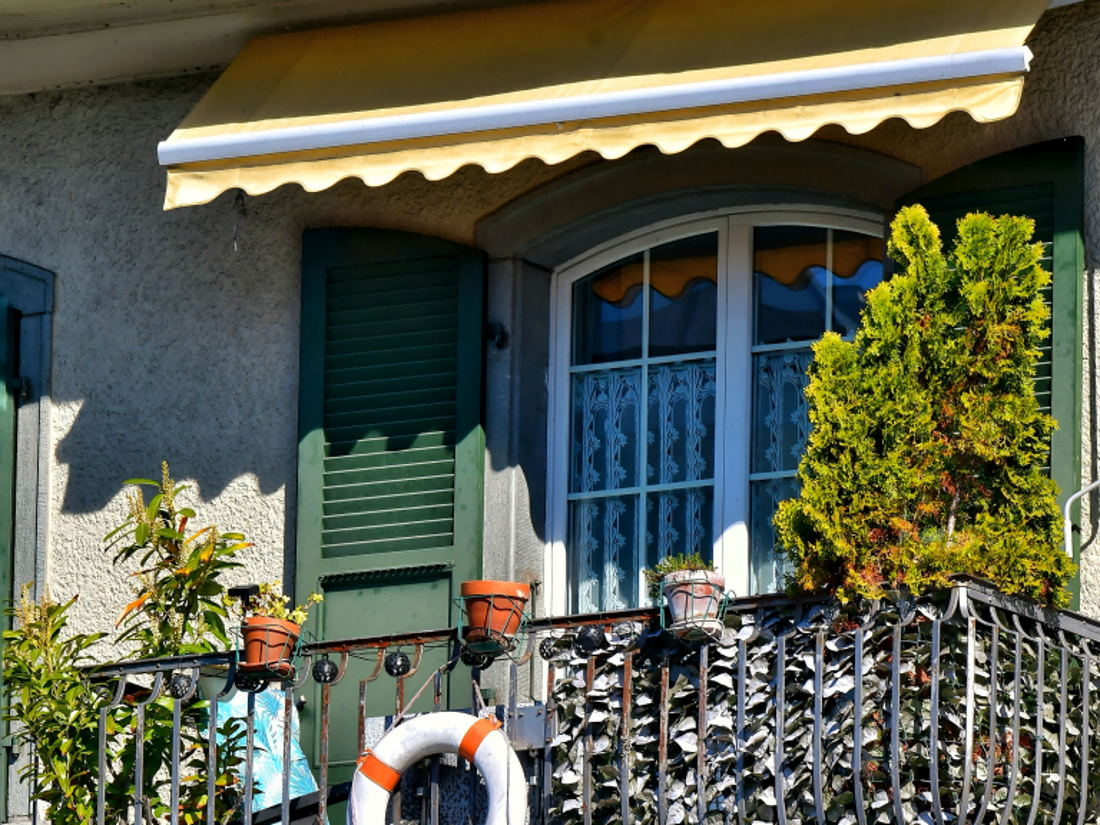
The Comfort Benefits of Installing an Outdoor Awning Shade Solution
Protection from Harsh Sun and UV Radiation
Malaysia's average temperature hovers between 26°C and 35°C, with UV index readings frequently in the "very high" to "extreme" range during midday. Prolonged exposure to direct sunlight in a garden setting is not only uncomfortable but also a genuine health concern. Garden awnings act as a first layer of protection by blocking direct sunlight from reaching the space beneath them.
Modern awning fabrics, especially those designed as UV-resistant outdoor materials, can block between 70% and 98% of ultraviolet radiation depending on the weave density and treatment. This means that sitting under a properly installed outdoor awning shade solution significantly reduces your UV exposure compared to being in the open garden. Over time, this protection also benefits the furniture, plants, and flooring beneath the awning, preventing sun-bleaching and material degradation.
Beyond UV filtering, awnings reduce the overall temperature under the covered area. Studies on shading systems have consistently shown that a shaded outdoor space can feel anywhere between 8°C and 15°C cooler than an exposed one under direct sun. In a Malaysian context, that kind of temperature reduction transforms a previously sweltering patio into a genuinely pleasant place to sit, dine, or relax.
Shelter from Sudden Rain Showers
One of the most practical reasons Malaysian homeowners invest in a garden awning is rain protection. Afternoon convective storms — sudden, heavy downpours that can last 30 minutes to two hours — are a daily occurrence during the monsoon seasons and not uncommon throughout the rest of the year either. Without a covered area, even a beautifully designed garden becomes off-limits the moment clouds gather overhead.
An awning provides immediate overhead shelter, allowing you to remain outdoors comfortably during light to moderate rain. For families who use their garden as an entertainment or dining area, this benefit alone justifies the investment. Instead of scrambling indoors every time it rains, you can continue a meal, a conversation, or a quiet afternoon reading session under the awning while the rain falls around you.
It is worth noting that not all awning designs offer equal rain protection. Fabric awnings with a steeper pitch tend to shed water more efficiently, while flat awnings may allow some water pooling. If rain protection is a priority in your outdoor design, choosing a garden awning Malaysia suppliers recommend for wet climates — typically those with proper water-resistant coating or polycarbonate roofing — will give you the best results.
Reducing Indoor Heat Gain
One of the less obvious but highly valuable comfort benefits of an outdoor awning shade solution is the effect it has on indoor temperatures. When sunlight hits an exterior wall or large glass doors and windows directly, it transfers heat into the building — a phenomenon known as solar heat gain. In Malaysian homes, this contributes significantly to the need for air conditioning, which drives up electricity bills.
An awning installed over a garden-facing wall, glass sliding door, or French window blocks sunlight from reaching that surface in the first place, reducing the amount of heat transferred indoors. Research by the American Society of Interior Designers found that window awnings can reduce solar heat gain through windows by up to 65% on south-facing and 77% on west-facing orientations. While this data is from a different climate context, the principle holds true in Malaysia where solar intensity is even higher.
For homeowners trying to reduce their reliance on air conditioning or simply keep their living areas cooler naturally, a garden awning is a passive cooling strategy that delivers real, measurable results.
How Awnings Enhance the Usability of Outdoor Garden Spaces
Creating a Defined Outdoor Living Zone
Gardens often feel like transitional spaces — areas you pass through rather than places you settle into. One of the transformative effects of installing an awning is that it defines a specific zone within the garden for living, dining, or relaxing. The overhead coverage creates a sense of enclosure without walls, making the space feel like an outdoor room.
This psychological shift matters. When a space has clear boundaries and feels sheltered, people are more likely to furnish it properly, spend time in it, and think of it as a genuine living area rather than an afterthought. Malaysian homeowners who invest in a garden awning often find that it prompts them to also invest in better outdoor furniture, lighting, and landscaping — because the awning signals that the space is worth using.
Extending Usable Hours Throughout the Day
Without shade, a Malaysian garden is typically most usable in the early morning (before 9 AM) and late evening (after 6 PM). The midday and afternoon hours — which are often the most convenient times for homeowners to be outdoors on weekends or during breaks — are simply too hot or too bright for comfortable use.
An awning fundamentally changes this equation. With proper shading in place, the garden becomes comfortable during a much wider window of the day. Families can have outdoor lunches, children can play in the garden after school without excessive sun exposure, and working-from-home professionals can set up a shaded outdoor workspace during the afternoon. The garden awning Malaysia homeowners install effectively doubles or triples the hours their outdoor space is genuinely pleasant to occupy.
Supporting Outdoor Entertaining and Dining
Outdoor dining is a cherished part of Malaysian culture — from backyard gatherings to garden parties and casual weekend barbecues. However, hosting guests outdoors becomes complicated when there is no shade or rain cover. An awning creates a reliable venue for outdoor entertaining regardless of weather conditions.
With a good outdoor awning shade solution in place, homeowners can set up a dining table, a seating area, or even a small outdoor kitchen beneath the awning with confidence that their guests will be comfortable. Retractable awnings offer additional flexibility — they can be extended for full cover when needed and retracted when the weather is ideal and open-sky views are preferred.
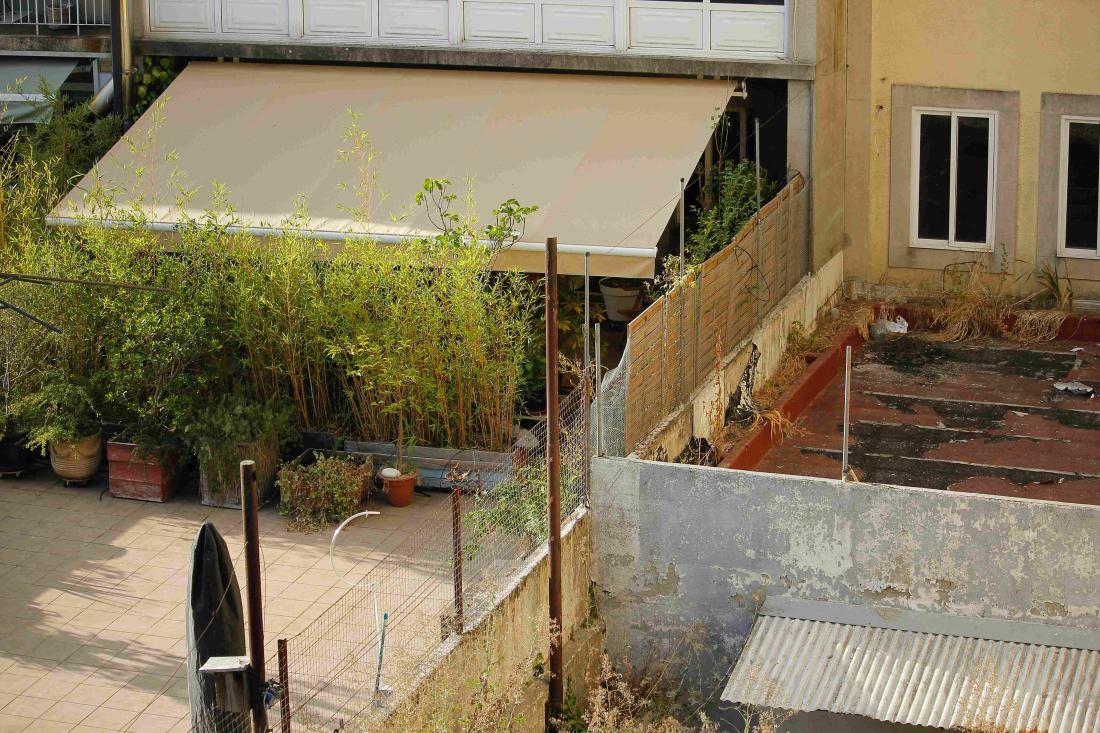
Types of Awnings Suitable for Garden Spaces in Malaysia
Retractable Fabric Awnings
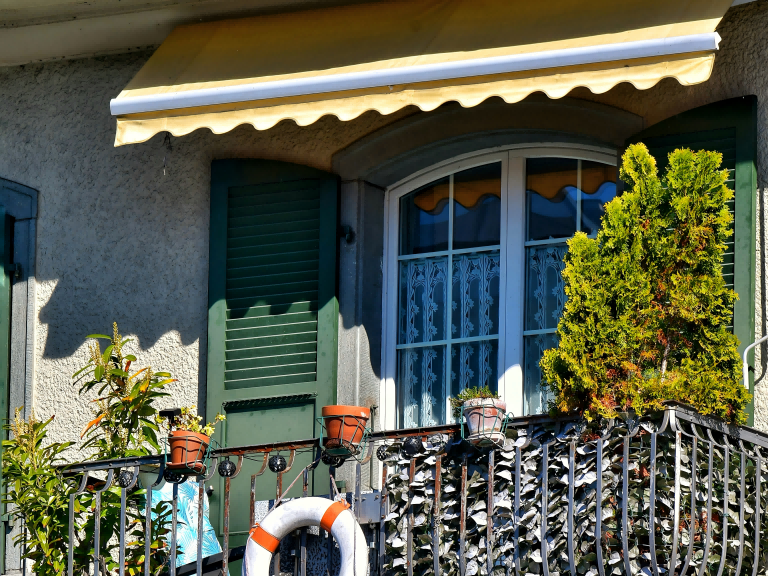
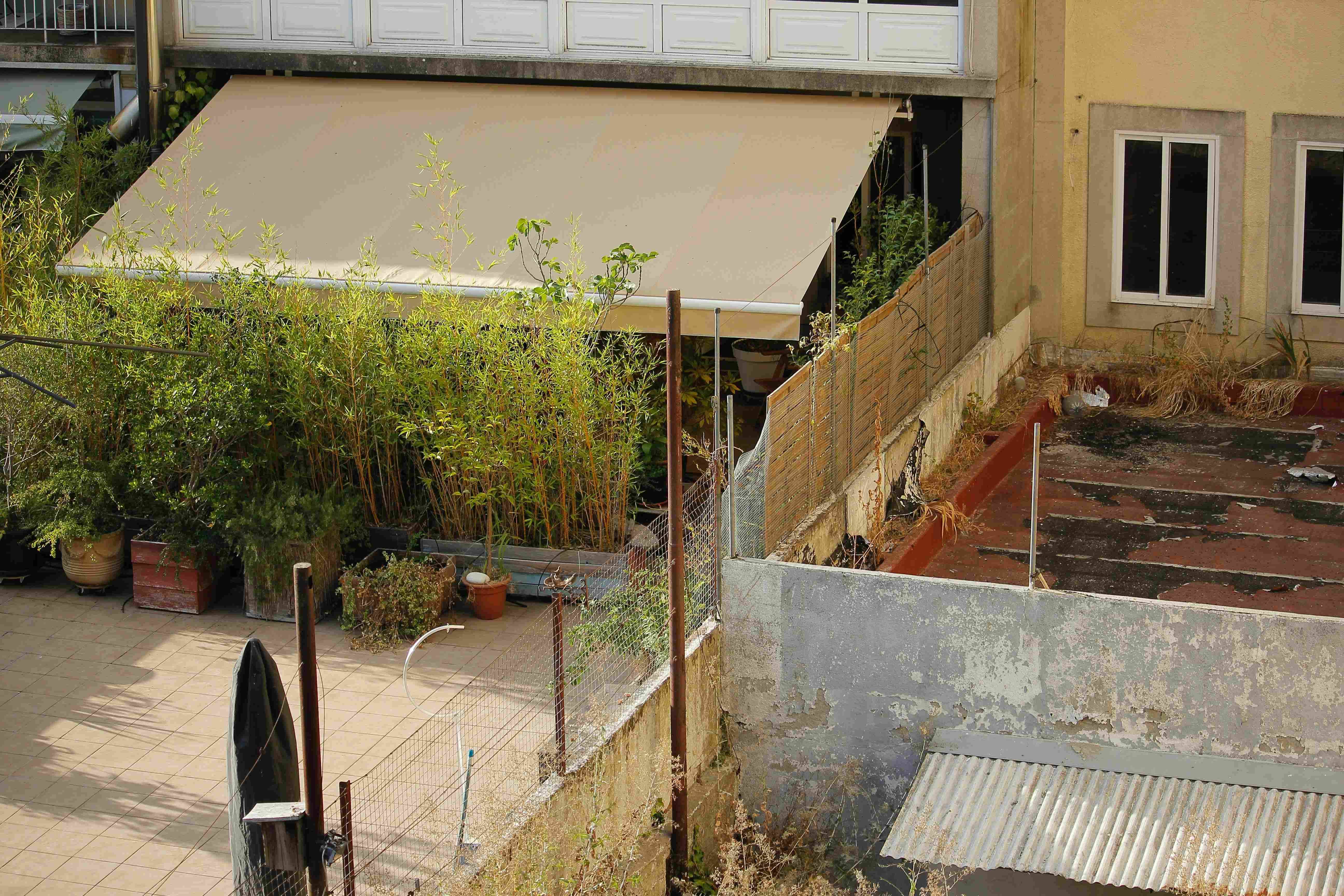
These are among the most popular choices for residential gardens. They mount to an exterior wall and can be extended or retracted manually or via a motorised mechanism. High-quality outdoor fabrics treated for UV and water resistance work well in Malaysia's climate. The retractable design is practical because it allows homeowners to adapt to changing weather conditions throughout the day.
Fixed Aluminium or Steel Frame Awnings
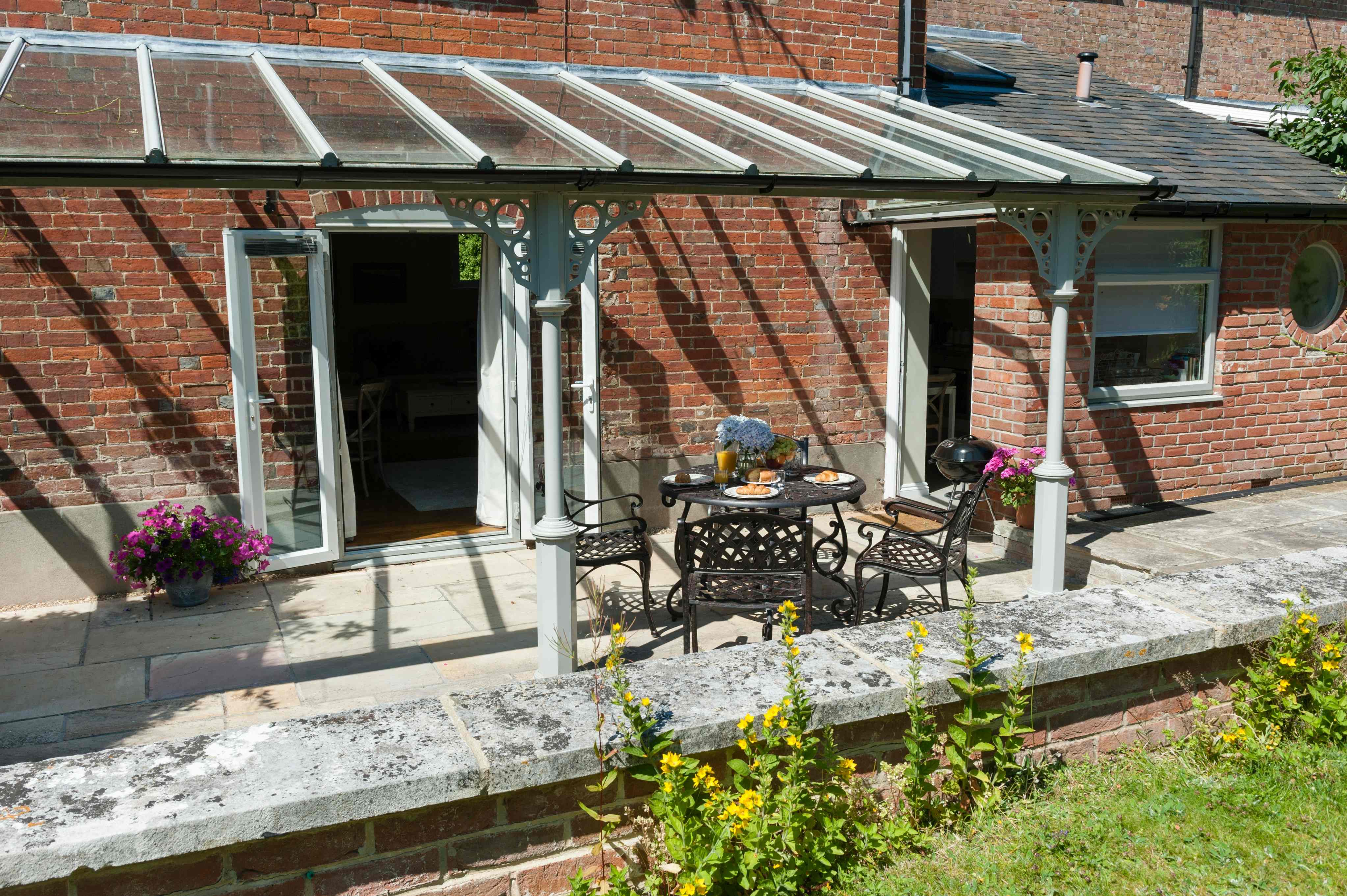
For homeowners who want a more permanent and robust solution, a fixed frame awning with aluminium or steel construction and polycarbonate or metal roofing panels provides durable all-weather protection. These are particularly effective for larger garden areas or for spaces that are used heavily as outdoor living zones. While they lack the flexibility of retractable designs, they offer superior durability and rain protection.
Freestanding Pergola-Style Awnings
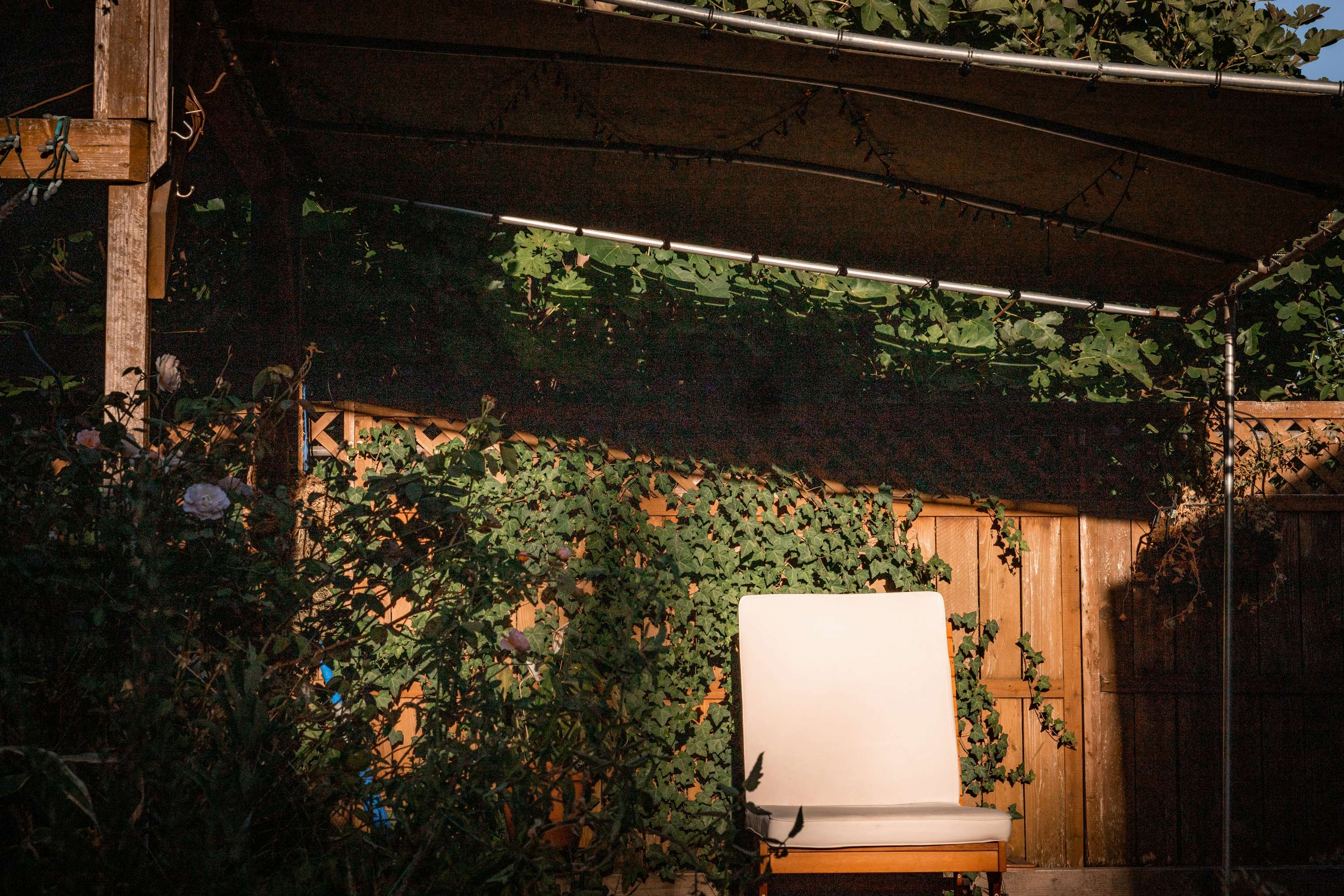
Some homeowners prefer a freestanding structure rather than one attached to the building. Pergola-style awnings or shade canopies supported by their own frame can be positioned anywhere in the garden, offering flexibility in layout. These are a good option when the garden is set away from the house or when attaching to the building's structure is not practical.
Choosing the Right Garden Awning in Malaysia
Selecting the right garden awning Malaysia options involve several considerations. First, think about the primary purpose — if rain protection is your main concern, a more solid overhead material like polycarbonate will serve you better than a standard fabric awning. If you primarily want UV shade and temperature reduction with some aesthetic flexibility, a quality UV-rated fabric awning may be the ideal choice.
Second, consider the size and orientation of your garden space. West-facing gardens in Malaysia receive the most intense afternoon sun, which means they benefit the most from awning coverage. South-facing gardens receive consistent sunlight throughout the day and also benefit strongly from shading solutions.
Third, think about maintenance. Fabric awnings require periodic cleaning and eventual replacement of the fabric, while aluminium structures are largely maintenance-free. Given Malaysia's high humidity and frequent rain, choosing materials rated for tropical climates — whether fabric or hard materials — will extend the lifespan of your investment significantly.
Finally, work with a reputable supplier or contractor who understands local building requirements and can advise on anchoring, drainage, and structural considerations for your specific property.
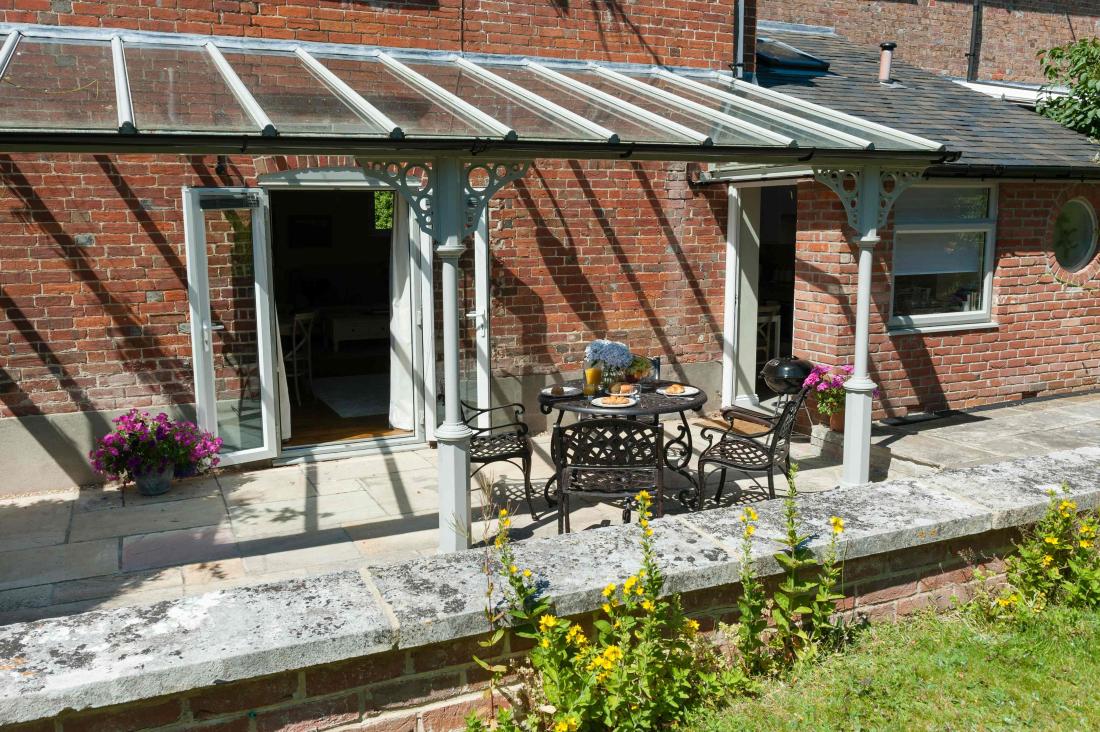
The Long-Term Value of Installing an Awning
A garden awning is not just a comfort upgrade — it is an investment in your property. Homes with well-designed outdoor spaces that include shade and weather protection are more attractive to buyers and often command better prices on the Malaysian property market. An outdoor awning shade solution that has been professionally installed and maintained in good condition contributes to the perceived quality and completeness of the home's liveable space.
Beyond resale value, there is the day-to-day quality-of-life benefit. When your outdoor garden space is genuinely comfortable to use throughout the year, you spend more time in it. That translates into more family meals outside, more leisure time in natural surroundings, and a greater sense of enjoyment from the home you live in.
In a country like Malaysia where outdoor living is culturally embedded but climatically challenging, a garden awning is one of the most practical, high-impact improvements a homeowner can make.
Frequently Asked Questions
Q: How long do fabric awnings last in Malaysia's tropical climate?
A: With good-quality UV and water-resistant fabric, a well-maintained awning can last between 8 to 15 years. Regular cleaning and occasional re-proofing treatment help extend the fabric's lifespan significantly.
Q: Can I install an awning myself or do I need a professional?
A: While smaller, lightweight awnings can be self-installed with proper wall anchoring, it is generally advisable to engage a professional for anything larger or motorised. Incorrect installation in Malaysia's wind and rain conditions can cause structural failure, especially during storms.
Q: Do I need approval from local authorities to install a garden awning in Malaysia?
A: For most standard residential awnings, local authority approval is not required. However, if the awning extends beyond your property boundary or forms part of a significant structural addition, checking with your local council (e.g., MBSJ, DBKL, or MPAJ depending on your area) is recommended before proceeding.
Conclusion
Whether you are dealing with relentless afternoon heat, unexpected rain, or simply wanting to make better use of your outdoor space, garden awnings offer a practical, durable, and aesthetically pleasing solution. As both a functional shade and weather protection system, a well-chosen outdoor awning shade solution can genuinely transform how you experience your garden throughout the year. For Malaysian homeowners, where the outdoor environment is both a gift and a challenge, an awning is not a luxury — it is one of the smartest upgrades you can make to your home.